In Lithuania, as in much of Eastern Europe, flowers for happy occasions are given in odd numbers: one, three, five, seven, nine. Even numbers are traditionally linked with mourning and are kept for funerals and graves. In large bouquets of more than about ten or eleven flowers, many people today no longer pay attention to the count. Below we explain when it is worth following the rule strictly and when you can relax about it.
Where the custom comes from
Giving an odd number of flowers is a living custom in Lithuania, Poland, Latvia, Ukraine, Russia and other countries in the region. There is no single agreed explanation for how it started, and several versions are told. The most common one is that an odd number stands for life and continuity, while an even number, complete and paired, belongs to the dead.
What matters more than the origin is that many people recognise the signal. Older people, and quite a few younger ones, may take an even number of flowers on a birthday as a small faux pas, even if they never mention it. In Western Europe and the US there is no such rule, and a dozen roses is the classic romantic gift there. If you have grown up abroad or are visiting Lithuania, this is worth knowing.
When the rule really matters
The odd or even question matters most when the flowers are easy to count at a glance.
- Roses or other flowers by the stem. When a bouquet is made of identical flowers, say three, five or seven roses, the number is obvious immediately.
- Small bouquets of up to about ten flowers. Every bloom is visible, so it is worth choosing an odd number.
- Gifts for older people, for families that keep traditions, for colleagues, or for anyone whose views you do not know well.
- Formal occasions such as milestone birthdays, thank-you gifts and celebrations at work.
If in doubt, choose an odd number. It will not bother anyone, while an even number may strike some people as wrong.
Even numbers and mourning
In Lithuania, even numbers of flowers are brought to funerals, to graves, on Vėlinės (All Souls' Day, 2 November) and on other days of remembrance. That is exactly why people avoid them when giving flowers to the living on a happy occasion. If you are buying roses or a bouquet as a gift and the number has come out even by accident, the simplest fix is to ask the florist to add or remove one stem.
Large bouquets: do you need to count?
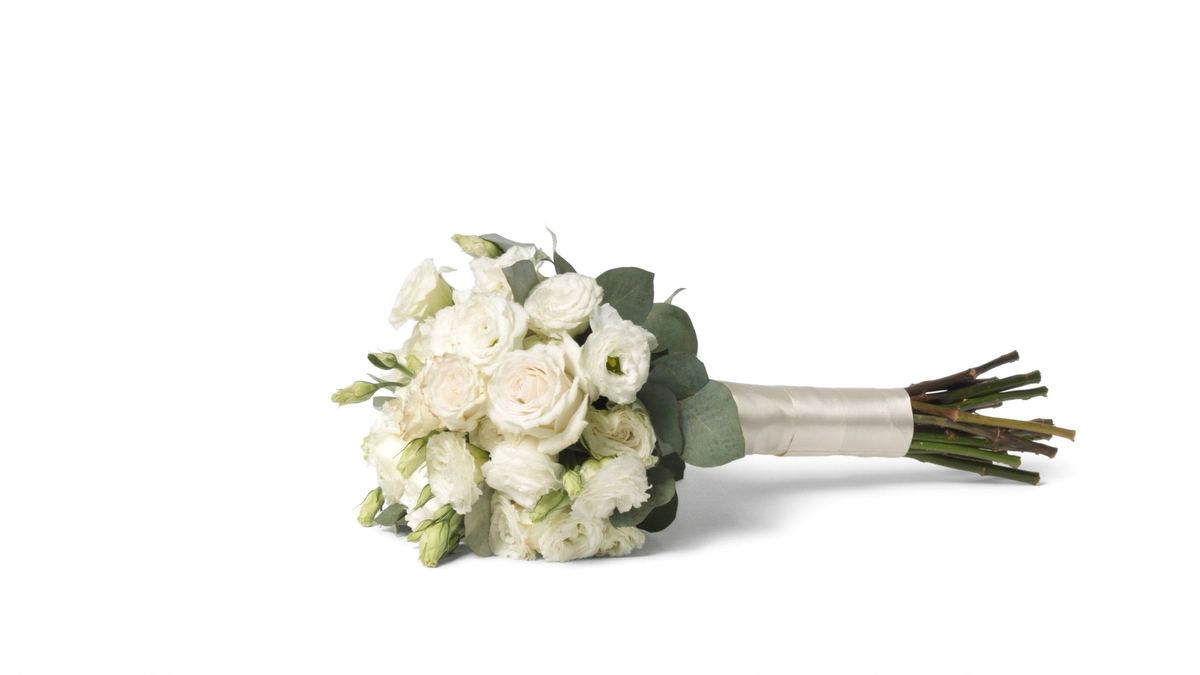
In modern floristry a common view is that from roughly ten or eleven flowers upwards, the count stops carrying meaning. Nobody counts a large bouquet at a glance, and a generous, festive bouquet does not look like mourning flowers in the first place. For many people, a bouquet of several dozen roses is simply a big, impressive gift.
Not everyone sees it that way, though. Some people do count even in large bouquets, especially when all the flowers are the same. So our advice is:
- if you are giving roses by the stem, even in larger numbers, choose an odd number such as 11, 15, 21 or 25;
- if you know the recipient values tradition, stick to an odd number whatever the size of the bouquet;
- if the bouquet is large and mixed, do not worry about the exact count.
Some people also avoid thirteen as an unlucky number. That is a general superstition rather than a flower tradition, but if you know the recipient is superstitious, pick another number.
What a single rose means
A single flower is a perfectly good gift in its own right. A single rose is usually read as a sign of attention, affection or love. It can be given on a date, for no particular reason, as a thank-you, or as a small gesture alongside another present. A long-stem rose wrapped in plain paper looks neat and does not need a big vase.
One rose is not "too little". It often says more than a large bouquet, because it clearly shows the gift was meant for that one person.
Three, five, seven
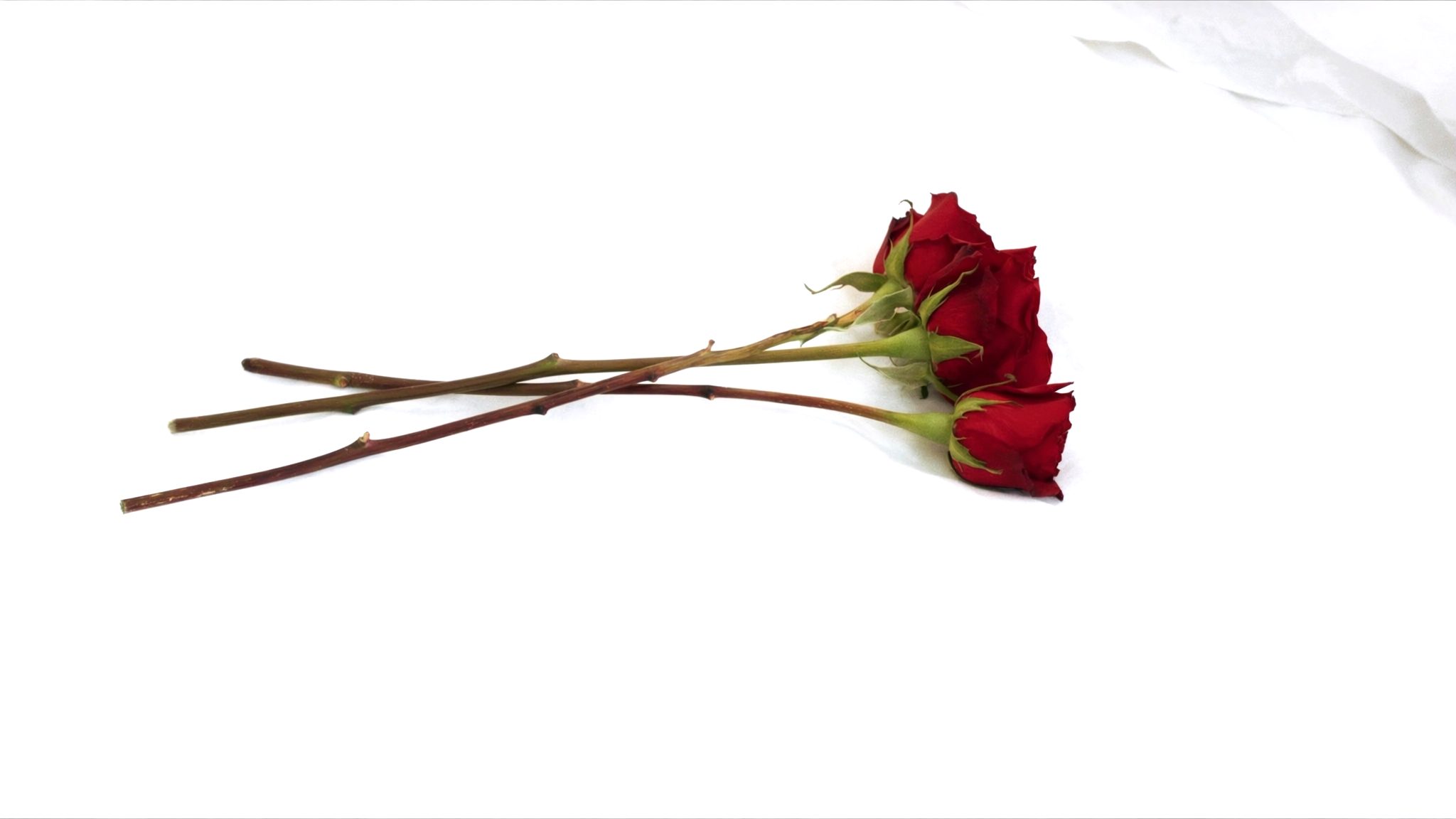
- Three roses are one of the most popular romantic gifts. They look complete without being too formal, so they suit a date as well as an anniversary.
- Five or seven roses already make a small bouquet, good for birthdays, thank-yous and celebrations at work.
- Nine or eleven make a solid, festive bouquet for a milestone birthday or a more important occasion.
Colour matters too. Red roses are mostly associated with love, so for a colleague or a teacher people more often choose white, cream, peach or yellow.
Mixed bouquets
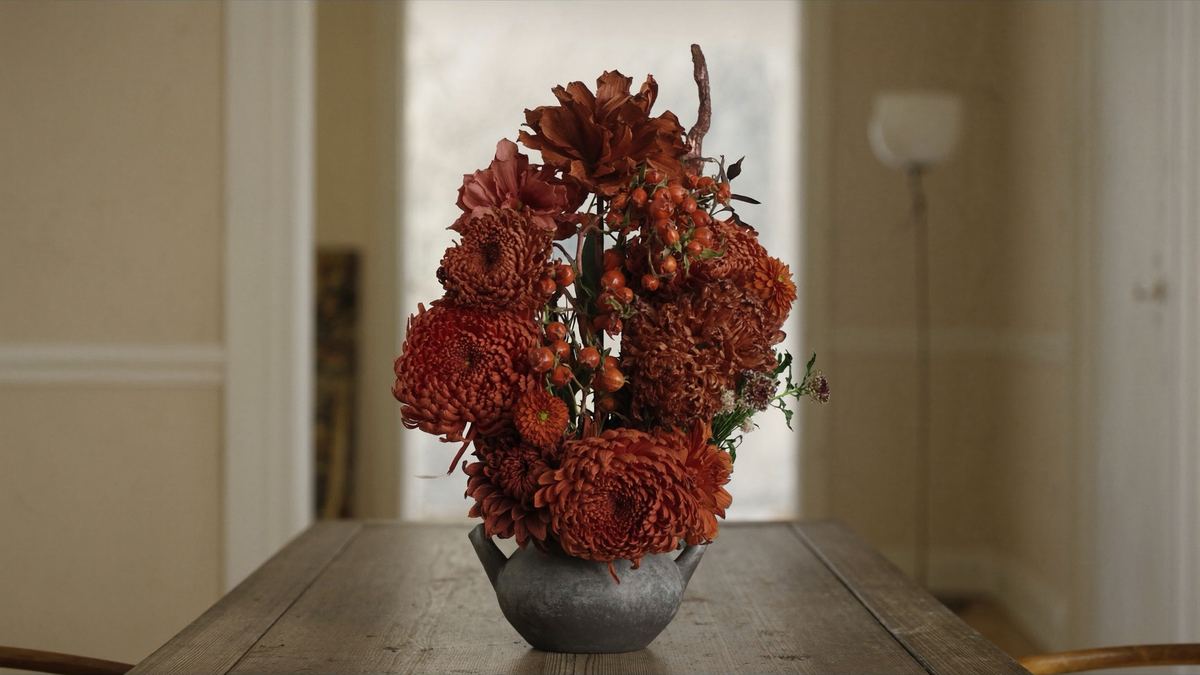
In a mixed bouquet with several kinds of flowers and greenery, the stems are not usually counted. Foliage, branches and berries are never included in the number. If a bouquet has a few prominent main flowers, for example three or five roses among smaller blooms, florists usually make sure those main flowers come in an odd number.
The rule generally does not apply to potted plants or flower boxes either: an orchid in a pot or a box of flowers is a suitable gift for any happy occasion.
How to get it right when buying
The easiest way is to tell the florist what the occasion is and who the flowers are for. Florists in Lithuania know these customs and will make sure the number, colours and size fit.
Gitanos gėlės in Kaunas
Gitanos gėlės is a florist stand inside the Šilas supermarket at A. Baranausko g. 26, Kaunas, open every day from 8:00 to 23:00. Roses are sold by the stem from 2,50 € each, and bouquets start from 15 €. If you like, you can pre-order a bouquet or a set number of roses by SMS on +370 656 38880 or at gitanosgeles.lt and collect it in person.