Autumn in Lithuania is not a quiet season for flowers. In September and October gardens are still full of dahlias and asters, hydrangeas take on deep antique shades, and chrysanthemums bloom right up to the frosts. This article covers which flowers belong to autumn, how to put them together, how to care for a bouquet once the heating comes on, and what to know about potted chrysanthemums.
The main autumn flowers
Chrysanthemums
The chrysanthemum is the flower of autumn. There are large single-bloom varieties, with one big flower per stem, and spray varieties, with many small flowers on one branch. The colour range is wide: white, yellow, rust, copper, burgundy, pink and even green.
Their biggest advantage is how long they last. If you change the water and trim the stems, a chrysanthemum bouquet often lasts around two weeks in a vase. For some people in Lithuania chrysanthemums are linked with Vėlinės, the day of remembrance, but in a bouquet with other flowers and warm greenery they look completely different: homely and seasonal.
Dahlias
Dahlias bloom in Lithuanian gardens from midsummer until the first frost. The flowers vary enormously, from small pompoms to blooms the size of a plate, and the colours run from white and peach to deep cherry.
Dahlias do not last long in a vase, usually a few days. Cut buds hardly open, so dahlias are cut when already in bloom. They are a flower for a beautiful but short moment, such as a dinner party.
Asters
For many people in Lithuania asters bring back September 1, the first day of school: together with gladioli they have long been the traditional flowers children bring to their teachers. Purple, pink and white asters also work well in simple autumn bouquets and hold up reasonably well in a vase.
Hydrangeas
In autumn hydrangea heads slowly change colour, turning greenish, pinkish and wine-coloured. These antique tones suit autumn bouquets well. Hydrangeas drink a lot, so give them a full vase. If a head wilts, cutting the stem at an angle and briefly submerging the whole flower head in cool water often revives it.
Autumn hydrangeas can also be dried. Once the petals feel slightly papery, stand them in a vase with a little water and let it evaporate slowly.
Rose hips
Rose hip branches with orange or red berries add colour and texture to a bouquet. They stay attractive for a long time, and the hips do not drop as quickly as leaves. The branches are thorny, so gloves help when arranging them.
Dried grasses
Pampas grass, wheat ears, ornamental grasses and orange Chinese lantern pods last for months without water. They complement fresh flowers well or can make a separate arrangement for the whole winter. Keep them away from damp and direct sun, as sunlight fades their colour.
Autumn colours
Autumn bouquets usually combine warm, muted colours:
- rust, copper and terracotta;
- mustard and honey;
- burgundy and deep cherry;
- cream and light sand;
- olive green and the grey-green of eucalyptus.
A good rule is to choose one main colour, rust for example, and add one or two calmer ones. The bouquet then looks settled and mature rather than busy.
Autumn bouquet ideas
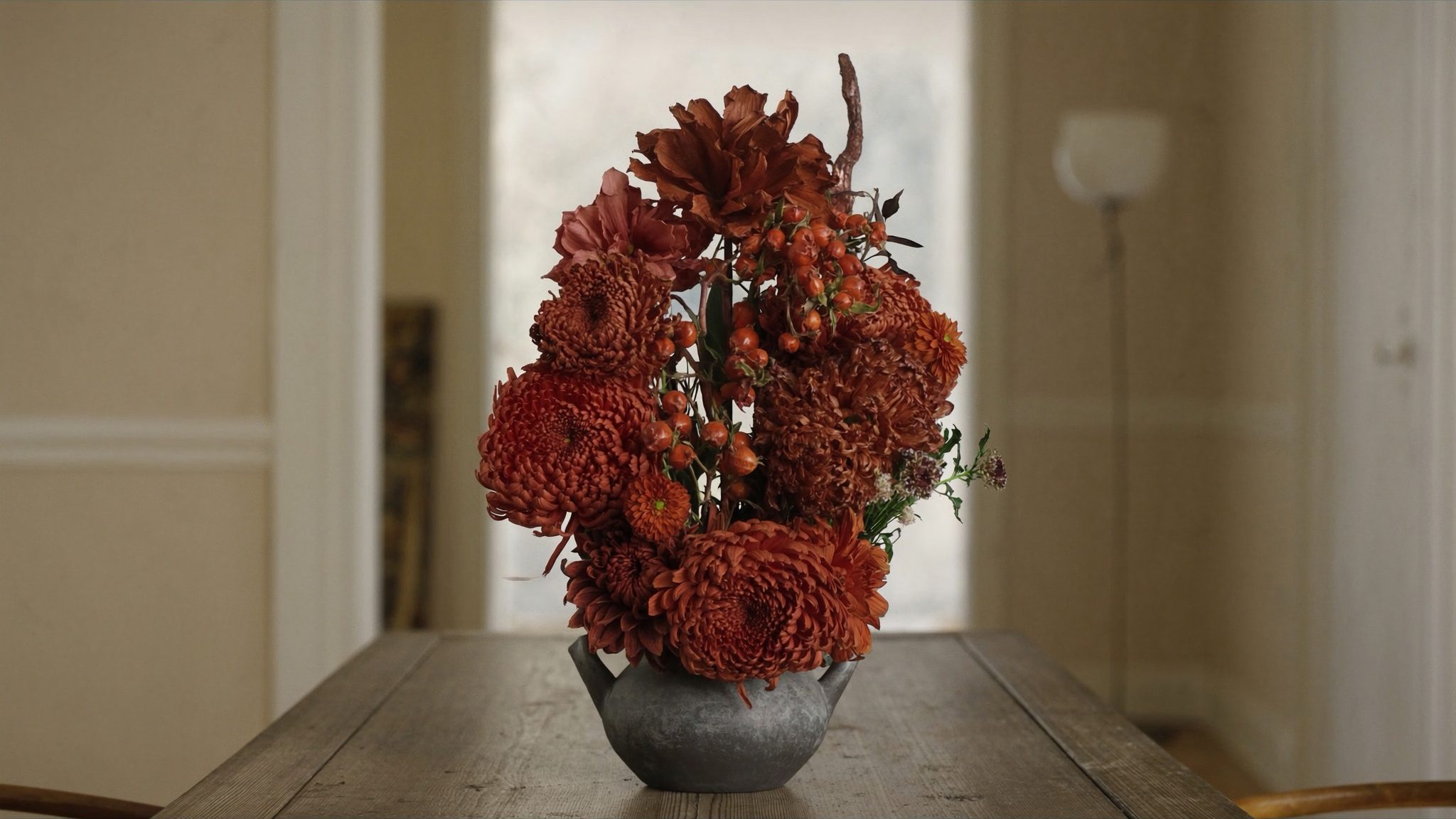
- Rustic jug arrangement. Rust chrysanthemums, rose hip branches and a few dried grasses in a stoneware or clay jug. It suits a kitchen or dining table and lasts a long time.
- Light and calm. White chrysanthemums, greenish hydrangeas and eucalyptus, for people who do not like strong colours.
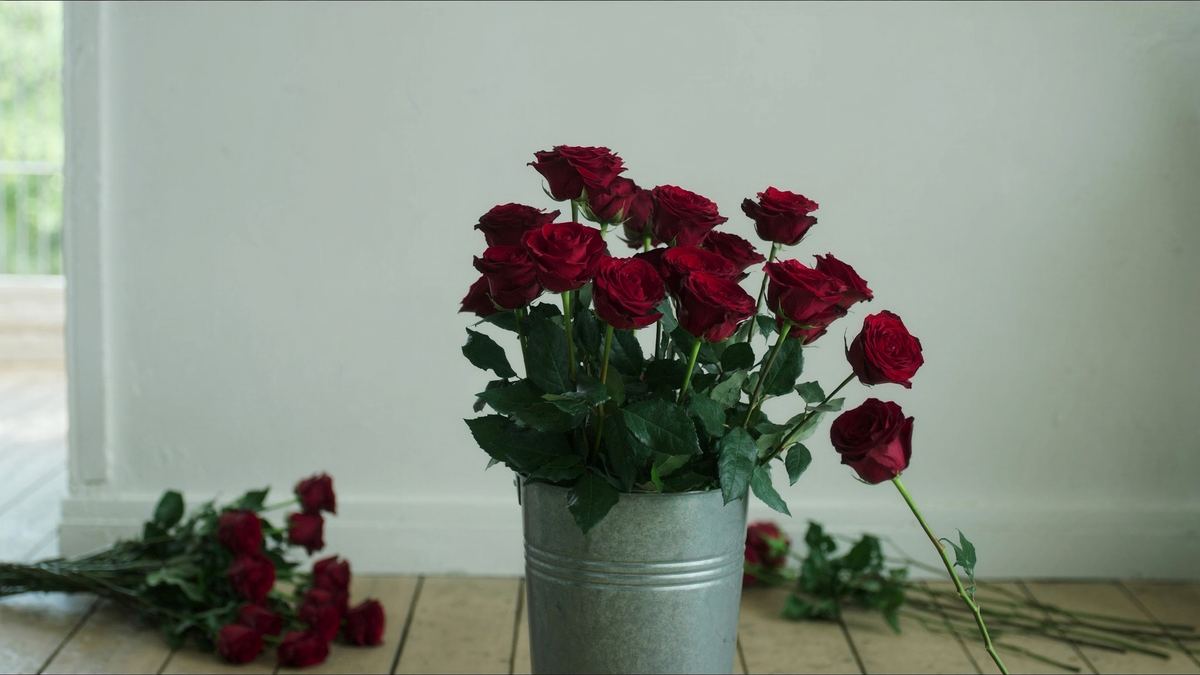
- Deep and dark. Burgundy dahlias, dark roses and a wine-coloured hydrangea. It looks lovely in the evening by candlelight.
- A gift for a teacher. In September the traditional asters or gladioli, or a small chrysanthemum bouquet that will last a long time in the classroom.
- Long-lasting. Dried grasses, dried hydrangeas and wheat ears. It needs no water and will last until spring.
If you place a bouquet next to a pumpkin or apple display, keep the fruit a little apart: ripening fruit releases ethylene, which shortens the life of cut flowers.
Caring for an autumn bouquet
In Lithuania the heating season starts in October, and warm, dry indoor air is hard on cut flowers.
- When you get home, trim the stems at an angle with a sharp knife.
- Remove any leaves that would sit in the water.
- Put the flowers in a clean vase with cool water.
- Change the water every two days and trim the stems a little each time.
- Keep the vase away from radiators, windowsills above heaters and direct sun.
Potted chrysanthemums for the balcony
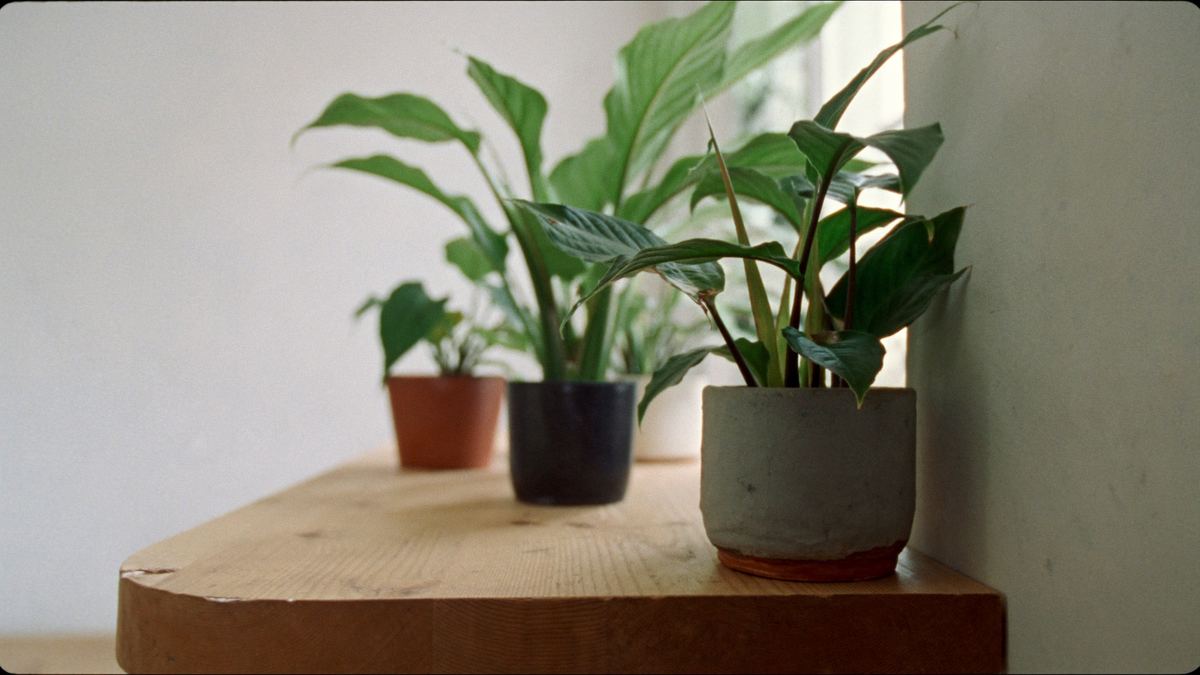
In autumn, potted chrysanthemums covered in small blooms are popular. They cope well with cool weather and light night frosts, so on a balcony or by the front door they can flower for several weeks until harder frosts arrive.
- Water regularly: the soil in a pot dries out quickly, and a dried-out chrysanthemum soon drops its flowers.
- Water at the roots, not over the flowers.
- Remove spent blooms to keep the plant tidy.
- These chrysanthemums are usually grown as seasonal plants. Overwintering them is possible but does not always succeed.
Vėlinės
November 1 is All Saints' Day in Lithuania and November 2 is Vėlinės, All Souls' Day. On these days people visit the graves of their relatives, light candles and bring flowers. Potted chrysanthemums are traditional, as they withstand the cold and keep flowering for a long time. If you place cut flowers on a grave, tradition calls for an even number.
Autumn flowers in Kaunas
Gitanos gėlės does not make funeral wreaths or grave arrangements, but you will find autumn bouquets for your home or as a gift, as well as potted plants, inside the Šilas supermarket at A. Baranausko g. 26 in Kaunas, open daily 8:00–23:00. You can pre-order a bouquet by SMS at +370 656 38880 or on gitanosgeles.lt.