Flower meanings are a tradition, not a set of rules. Today most people choose a bouquet by taste, by the occasion and by what the person receiving it likes. Still, some meanings are very much alive, especially for older people, so they are worth knowing: that way your bouquet is understood the way you intend.
Rose colours
Roses are the flowers people give most often, and their colours carry the most traditional meaning.
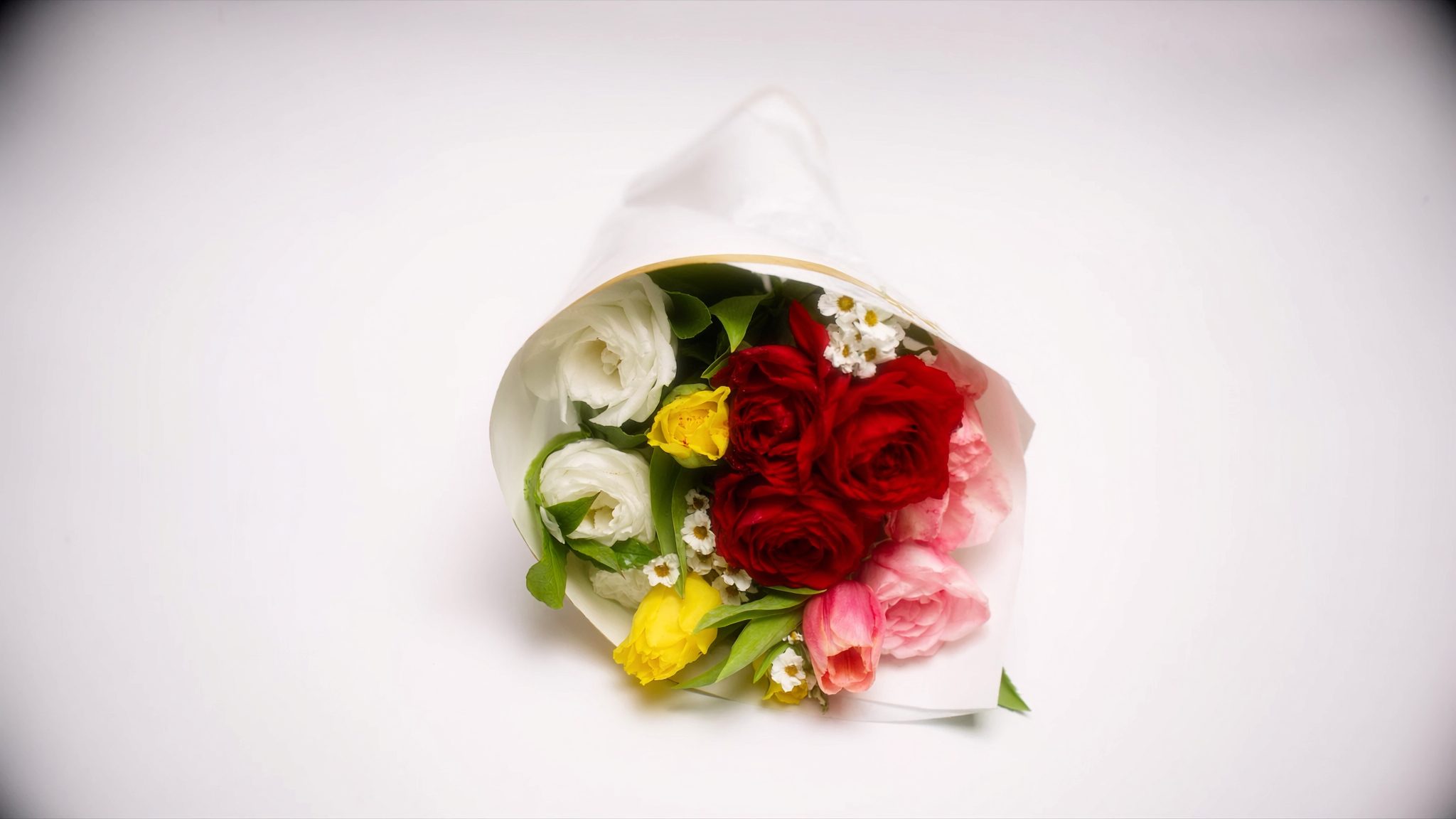
- Red means love and passion. It is the classic choice for Valentine's Day on 14 February, anniversaries or a proposal. For the same reason, red roses for a colleague or a teacher may not be read quite the way you meant.
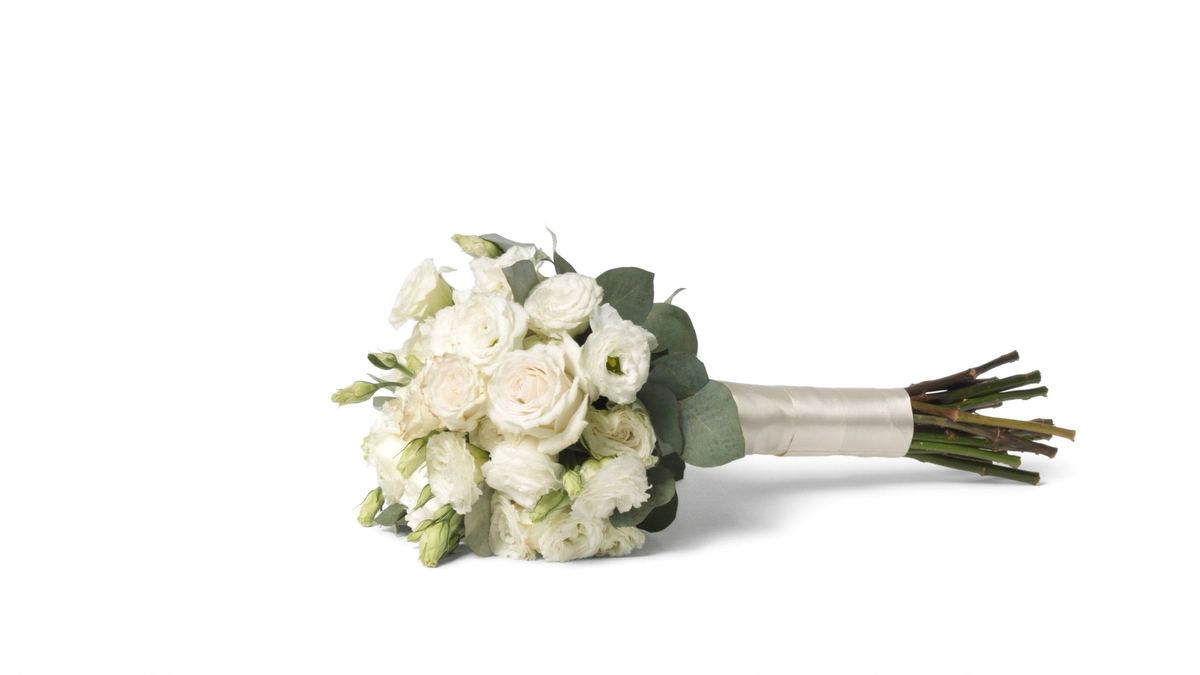
- White stands for purity, new beginnings and respect. That is why white roses are so common at weddings and christenings, and they are also a good way to show respect to an older person.
- Pink means tenderness, gratitude and affection. Pale pink suits a mother, a friend or a young woman, while deeper pink tends to say "thank you" or "I admire you". It is probably the most versatile colour when you do not want flowers to say too much.
- Yellow means joy, friendship and warmth. More on yellow flowers below.
- Peach and orange are linked with warmth, sincerity and thanks. They work well for a birthday, a thank-you or congratulations on a new job.
Do yellow flowers really mean parting
In Lithuania, as in Russia, there is an old saying that yellow flowers mean separation or unfaithfulness. Some older people still take it into account. For many others it is an old-fashioned superstition: yellow is the colour of sunshine, spring and good mood, and a bunch of yellow tulips or gerberas is a perfectly ordinary spring gift.
If the bouquet is for someone who does care about such meanings, a grandmother for example, you can mix yellow with other colours so the bouquet is not all yellow. Otherwise, simply choose what you find beautiful.
Tulips
Tulips are a sign of spring: renewal, joy and light after winter. In Lithuania they are especially associated with 8 March and with Mother's Day, which is celebrated on the first Sunday of May. Red tulips traditionally mean love, pink and white mean tenderness, and yellow simply means cheerfulness. A bunch of tulips is almost never the wrong choice: it is simple, fresh and carries no heavy associations.
Chrysanthemums
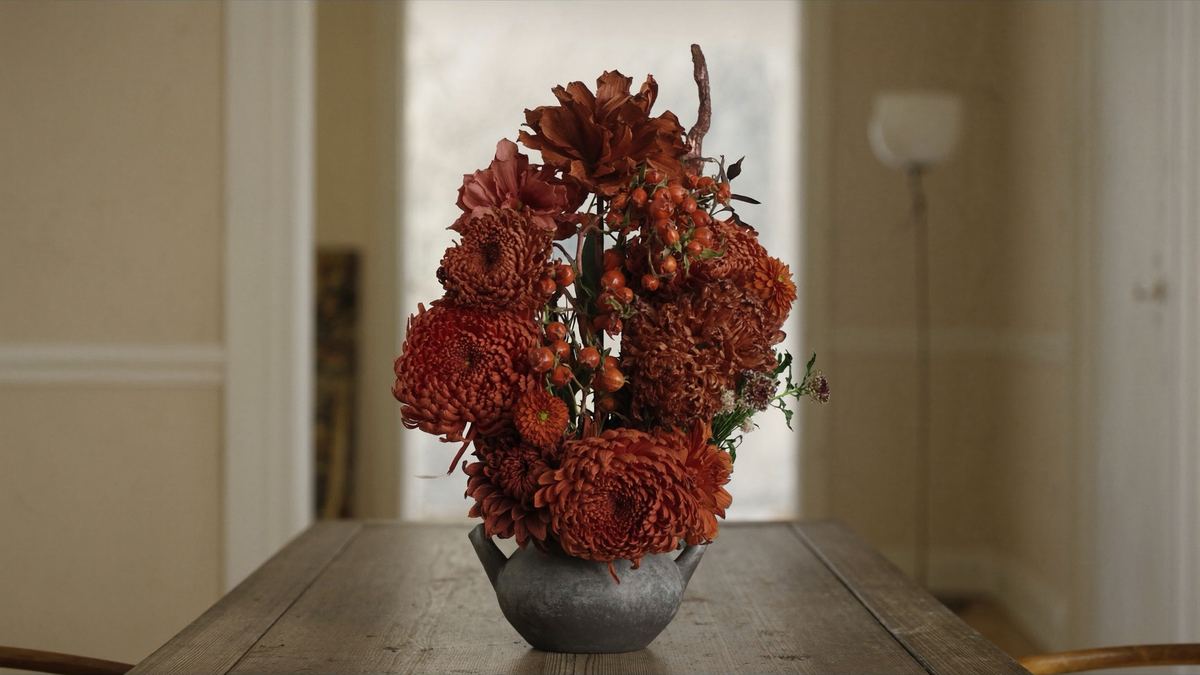
In many Asian countries the chrysanthemum stands for long life. In Lithuania, however, chrysanthemums have long been linked with Vėlinės, All Souls' Day, and with cemeteries, because potted chrysanthemums flower in autumn and are taken to graves at the beginning of November. As a result some people still do not particularly like receiving them as a gift.
On the other hand, cut spray chrysanthemums are very common in bouquets. They last a long time in the vase, come in many colours and shapes, and go well with roses and gerberas. In a mixed bouquet they usually bring no sad associations at all.
Lilies
White lilies symbolise purity and elegance, which is why they are often chosen for weddings. In some traditions they are also associated with mourning, so a large bouquet of white lilies alone can feel very formal to some people.
A few practical points if you are giving lilies:
- Lilies have a strong scent. Not everyone enjoys it in a small room, an office or a hospital ward.
- Lily pollen stains fabric and is hard to wash out, so it is worth carefully removing the anthers as soon as each flower opens.
- Lilies are highly toxic to cats, including the pollen and the water in the vase. If the person you are giving flowers to has a cat, choose something else.
Gerberas
Gerberas are cheerful, simple, friendly flowers that stand for joy and sincerity. They carry no heavy meaning, so they suit almost any occasion: a colleague, a teacher on 1 September, a birthday, someone recovering from illness. They look good in a single-colour bunch and in a mixed bouquet with roses or tulips.
Carnations
Carnations have a mixed reputation in Lithuania. For the older generation, red carnations often bring back Soviet-era official holidays and commemorations, and some people dislike them for that reason. In Western tradition the carnation is linked with Mother's Day and a mother's love.
In recent years carnations have been coming back into modern bouquets, especially in soft shades such as cream, pale pink and peach. They last a very long time in the vase and pair well with roses, so they are worth a second look.
How many flowers to give
In Lithuania and Russia one tradition is still very much alive: you give living people an odd number of flowers, while an even number is associated with funerals and graves. Almost everyone knows this, so if a bouquet has only a few stems, for example three, five or seven roses, it is worth counting them.
With a large number of flowers people think about the count much less, and in a mixed bouquet of different flowers nobody usually counts the stems.
If you are not sure what to choose
- Think about the person. Which colours do they like, which flowers do they grow or buy for themselves. That matters more than any symbolism.
- Consider the occasion. A romantic moment, a thank-you, a birthday and a formal event each call for a different tone.
- Soft colours almost always work. Pink, white, cream and peach are rarely the wrong choice.
- Ask the florist. Say who the bouquet is for and what the occasion is, and she will help you match the flowers and colours.
Bouquets in Kaunas
Gitanos gėlės is a flower stand inside the Šilas supermarket at A. Baranausko g. 26, Kaunas, open every day 8:00–23:00. Bouquets for all kinds of occasions start from 15 €, and roses are also sold by the stem. If you would like a bouquet ready when you arrive, pre-order it by SMS on +370 656 38880 or on gitanosgeles.lt.